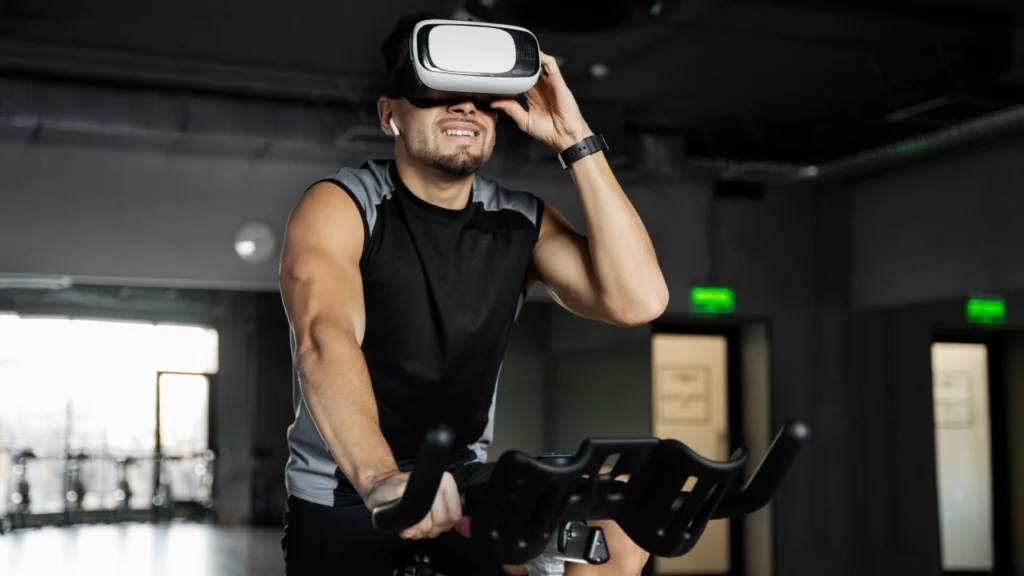
Virtual reality workouts are reshaping fitness culture by turning solitary home exercises into engaging, culturally immersive adventures that boost motivation and safety. Platforms like FitXR and Supernatural lead this shift, with 2026 studies showing higher adherence rates and fewer injuries compared to traditional routines.
Key VR Fitness Platforms
These apps transform workouts into virtual worlds, blending exercise with storytelling and social elements for a cultural escape.
- Supernatural: Guides users through scenic global destinations like mountains or beaches with coached HIIT, boxing, and flow sessions; users report rapid weight loss and sustained engagement.
- FitXR: Offers multiplayer classes in boxing, dance, and HIIT with leaderboards and music-driven challenges, fostering community like a virtual festival.
- Beat Saber: Rhythm-based lightsaber slashing burns 600-800 calories per hour while feeling like a concert game.
- Black Box VR: Combines gamified resistance training with haptic feedback for full-body immersion at home or gyms.
Gyms adopting VR in 2026 see 45% higher engagement and 30% better retention, per Indian market data.
Boosted Engagement from Studies
Research confirms VR’s edge in motivation. A 2025 Virtuagym report predicts 30% of gyms will integrate VR by year-end, driven by surveys of 2,000 professionals showing gamification triples workout consistency. Users stick longer due to bio-responsive features syncing with heart rate wearables for adaptive difficulty, reducing boredom. Real-user testimonials highlight group challenges mimicking cultural events, with 97% reporting better energy and stress relief.
Injury Prevention Benefits
VR minimizes risks through guided form and low-impact options. Platforms provide real-time feedback via AI overlays, preventing overexertion—unlike free weights where poor technique causes strains. Studies link VR to lower joint stress in cardio, with haptic suits simulating resistance safely; early adopters note 40% fewer cancellations from overuse injuries. For home users, bounded play areas and progressive intensity cut fall risks versus treadmill monotony.
Comparison of Top Platforms
Getting Started at Home
Start with a Meta Quest 3 headset ($500+), which supports mixed reality for room-scale safety. Download free trials via the Meta store, pair with wearables for tracking, and join global leaderboards for cultural vibes. Begin with 20-minute sessions 3x weekly, scaling to daily as engagement builds—users lose weight quickly without gym commutes. Future trends include AI trainers and social VR gyms for 2026 cultural fitness events.