Introduction to African Wellness
African wellness traditions are deeply rooted in the continent’s diverse cultures and histories. Emphasizing the harmonious integration of body, mind, and spirit, these practices reflect a holistic understanding of health that transcends mere physical well-being. In many African communities, wellness is viewed not as an isolated state but as a continuous journey involving a balance of various elements that contribute to overall vitality.
The concept of wellness in Africa often intertwines cultural beliefs, community engagement, and environmental stewardship. Daily routines are crafted to honor traditional practices that have been passed down through generations. These routines often include a fusion of physical activity, such as dance or communal farming, mental exercises like storytelling or meditation, and spiritual rituals that reinforce connections to ancestors and the natural world. This triad underscores the notion that physical health cannot be separated from mental and spiritual health.
Engaging in these time-honored practices can yield numerous benefits for individuals seeking holistic health. For instance, incorporating rituals such as morning meditation or herbal remedies may enhance emotional resilience and physical wellness alike. Furthermore, communal activities not only foster social ties but also reinforce a sense of belonging and shared purpose, which are vital components of mental health.
By examining a day in an African wellness routine, we can appreciate the richness of these local practices and their relevance in contemporary wellness discussions. The comprehensive nature of these rituals serves as a reminder of the multidimensional aspects of health, encouraging individuals worldwide to adopt a more integrated approach in their wellness endeavors.
Morning Rituals: Starting the Day with Herbal Tea
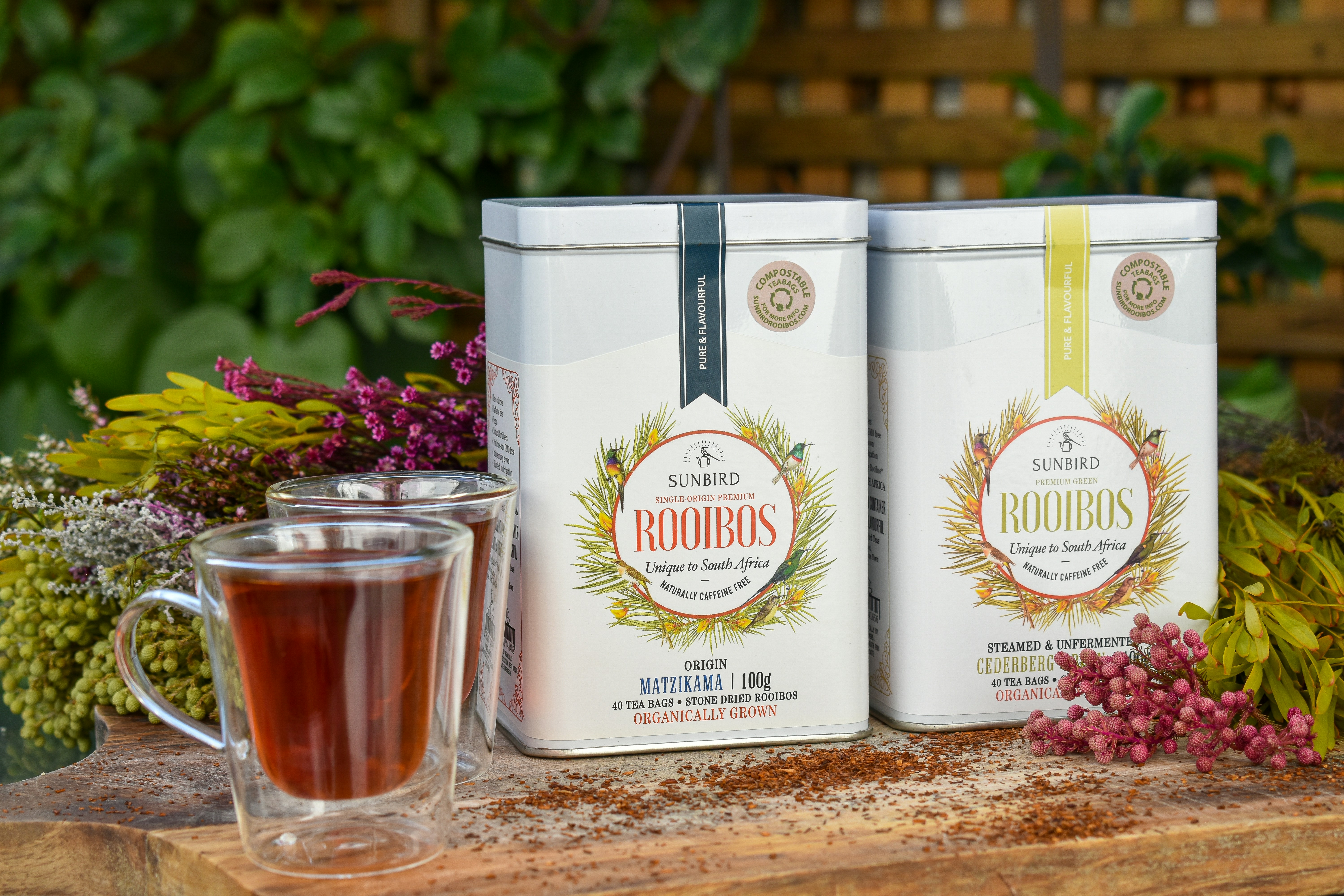
In various African cultures, morning rituals hold significant importance as a means to prepare both the mind and body for the day ahead. One of the most cherished practices is the preparation and consumption of herbal teas, which not only serve as a refreshing start but also embody deeper cultural traditions. A prominent example is rooibos tea, made from the leaves of the Aspalathus linearis plant, native to South Africa. This herbal infusion is naturally caffeine-free and rich in antioxidants, making it an ideal choice for morning consumption.
The ritual of brewing and consuming rooibos tea often involves a mindful process, where individuals take the time to reflect and set intentions for the day. The aroma of the tea, its deep red hue, and the rich, slightly sweet flavor combine to create an experience that transcends mere consumption. This act becomes a grounding practice, allowing people to connect with their roots and embrace their heritage as they sip their tea in the calm of the early hours.
The health benefits of rooibos tea are numerous. It has been linked to improved digestion, a boost to immune function, and even anti-inflammatory properties. Additionally, rooibos is known to promote skin health due to its alpha hydroxy acid content. By incorporating herbal teas into their morning routines, individuals not only nourish their bodies but also reinforce a sense of community and wellbeing that is central to African cultures.
Embracing such morning rituals can significantly impact one’s overall wellness, providing a holistic approach to starting the day. As more individuals recognize the importance of these practices, the tradition of enjoying herbal teas like rooibos continues to thrive, blending health benefits with cultural heritage.
Stretching and Physical Movement
Physical activity is an essential facet of wellness in various African cultures, serving not only as a means of maintaining health but also as a rich expression of tradition. The daily routine often incorporates stretching and movement practices that are deeply rooted in local customs, utilizing the body’s natural capabilities to foster both physical and mental well-being. One notable aspect of these routines is the traditional methods of stretching, which often reflect communal bonds and cultural identity.
In many African communities, morning exercises involve a series of warm-ups and stretching, which are often performed in groups. These sessions are more than just physical tasks; they foster a sense of community, encouraging social interaction and support among participants. This group dynamic boosts motivation and enhances the experience, making exercise less of a chore and more of a joyful communal event.
The benefits of incorporating such stretching routines into daily life are manifold. Engaging in these practices aids in increasing flexibility, improving blood circulation, and enhancing muscle strength. Furthermore, stretching has been shown to reduce stress and anxiety, providing mental clarity and focus—benefits that are crucial in today’s fast-paced world.
Traditional forms of exercise also play a significant role in promoting physical movement. Activities like dancing, which are intrinsic to many African ceremonies, provide both cultural expression and a robust workout. The rhythmic movements required in dance not only improve cardiovascular health but also enhance coordination and body awareness. Similarly, collective sports and games practiced in local communities promote teamwork and resilience while keeping participants physically active.
Ultimately, embracing these enriching and culturally significant physical activities can lead to a more balanced lifestyle, combining the traditional wisdom of African wellness practices with modern health standards. Understanding and incorporating local forms of exercise into daily routines can greatly enhance overall well-being and foster a deeper connection to one’s cultural heritage.
Nourishing the Body: Traditional African Breakfast
Breakfast in many African cultures is a vibrant and colorful affair, often reflecting the rich agricultural heritage of the continent. A traditional African breakfast typically includes a variety of locally sourced ingredients, tailored to the specific region’s agricultural produce and culinary traditions. Common staples include maize porridge, known as ugali or pap, which serves as a fundamental source of energy. This simple yet nutritious dish is often accompanied by milk, honey, or sugar to enhance its flavor.
In West Africa, for instance, you may find a dish called akara, which consists of deep-fried bean cakes made out of black-eyed peas. These are not only delicious but also packed with protein. In some regions, such as East Africa, a breakfast might feature kachumbari, a fresh salsa made from tomatoes, onions, and chili, served alongside fried eggs or avocados, bringing a refreshing balance to the meal.
Another popular item is traditional flatbreads, such as injera in Ethiopia or chapati in Kenya, often enjoyed with a variety of vegetable or meat stews. These breads, made from whole grains, are rich in fiber and essential nutrients, complementing the body’s energy needs throughout the morning.
Furthermore, breakfast might also include seasonal fruits, such as bananas or mangoes, which add natural sweetness and vitamins. The use of spices and local herbs not only enhances flavor but also introduces various health benefits, contributing to overall well-being. These traditional dietary choices reflect a deep connection to the land and serve as valuable components of a balanced diet, promoting sustained energy and health through the day.
Midday Mindfulness: Prayer and Meditation
Midday mindfulness practices, particularly prayer and meditation, play a vital role in African wellness routines, serving both spiritual and mental health needs. Often observed during the noon hours, these practices provide an essential pause in the day to reflect, recharge, and reconnect with oneself and the surrounding community.
Communal prayer is a cornerstone of many African cultures, offering a sense of unity and shared purpose. During this time, individuals gather to express gratitude, seek guidance, and invoke blessings upon their lives and communities. The collective energy generated through these gatherings fosters a profound sense of belonging and support, reinforcing social bonds and cultural identity. In a communal prayer setting, song and rhythm may often accompany spoken word, creating a spiritually enriching atmosphere that enhances the experience.
In contrast, personal meditation practices are deeply rooted in the individual’s spiritual journey. This practice often involves quiet reflection, focused breathing, and visualization techniques. For many, these moments of solitude can lead to heightened mental clarity and a deep sense of peace. Personal meditation enables individuals to navigate their thoughts and emotions, promoting emotional resilience and stress management. Techniques can include guided imagery related to ancestral teachings, breathing exercises, or the repetition of affirmations that foster self-compassion and positivity.
As one navigates through the various methods of midday mindfulness, the impact on mental clarity and emotional peace is evident. Engaging in both communal and personal forms of prayer and meditation contributes to an overall sense of well-being, encouraging practitioners to maintain harmony within themselves and their communities. This midday ritual serves not just as a personal respite, but as a powerful reminder of the interconnectedness of social and spiritual well-being.
Natural Remedies: The Role of Herbal Medicine
In many African cultures, herbal medicine plays a pivotal role in health and wellness practices. The rich biodiversity across the continent has given rise to a wide variety of medicinal plants, each with its unique properties and cultural significance. From the baobab tree, renowned for its high vitamin C content and immune-boosting properties, to the healing leaves of moringa, known for their antioxidant and anti-inflammatory benefits, herbal remedies form an integral part of daily life.
Traditional healers and community members often turn to these natural remedies for a wide range of ailments, integrating them seamlessly into their wellness routines. For example, ginger and garlic, commonly utilized for their antimicrobial properties, are frequently used to bolster immunity and combat respiratory infections. Similarly, echinacea, which has gained popularity worldwide, is utilized in various African cultures for its effectiveness in enhancing immune function and alleviating cold symptoms.
These herbal medicines are not only used for treating ailments; they are also an essential aspect of preventive health care. Herbal teas, made from locally sourced plants, are consumed regularly to maintain overall well-being and support digestive health. In fact, many families incorporate herbal mixtures into their daily diets, showcasing a proactive approach to health that transcends simple treatment.
The method of preparation and consumption varies significantly across different regions, often influenced by local customs and available resources. Boiling leaves to create infusions, using roots in cooking, or grinding herbs into powders for various applications demonstrates the resourcefulness of African wellness traditions. In many communities, the knowledge of herbal medicine is passed down through generations, highlighting the importance of preserving this invaluable cultural heritage.
Social Connections: The Importance of Community
In African cultures, social interactions and strong community ties are foundational elements that contribute significantly to overall wellness. Unlike individualistic societies, many African communities emphasize the importance of collective well-being over personal gain. This communal approach fosters a supportive environment that actively encourages individuals to participate in gatherings, engage in shared activities, and establish networks of care. These interactions are vital for emotional and mental health, as they create a sense of belonging and security.
Communal gatherings, often seen during significant events such as weddings, festivals, or even regular social meetings, serve not only as a form of celebration but also as a means of strengthening personal relationships. These events provide opportunities for individuals to contribute to the community while also creating a safety net where communal support is readily available. The interconnectedness among community members means that emotional burdens can be shared and alleviated, promoting psychological resilience.
In addition to gatherings, shared meals hold a significant place in African social traditions. Sharing food is not merely about nourishment but acts as a ritual of connection, strengthening bonds among family members, friends, and neighbors. Families often come together to prepare traditional dishes, promoting cooperation and enabling the transfer of cultural knowledge from one generation to the next. Such practices encourage the sharing of resources, enabling less affluent members to partake in communal feasts, thus enhancing social equity and fostering a spirit of generosity.
Support networks within communities provide safety and stability, particularly in times of crisis. These networks exist in various forms, whether through informal groups, religious organizations, or local collectives, ensuring that community members can rely on each other during challenging times. Such interconnectedness not only benefits individual health but also contributes to the broader resilience of the community as a whole, making social connections a crucial aspect of the African wellness routine.
Evening Wind Down: Mindfulness Practices
The evening routine plays a significant role in one’s wellness, particularly when mindfulness practices are incorporated. As the sun sets and the day comes to a close, engaging in relaxation techniques becomes essential for promoting mental health and ensuring a restful night’s sleep. Mindful reflection on the day can enhance self-awareness, allowing individuals to acknowledge and process their thoughts and emotions effectively.
To initiate an evening wind down, one may start with deep breathing exercises. This technique not only calms the mind but also reduces stress levels, paving the way for a peaceful transition into the evening. Practitioners might settle into a comfortable position, close their eyes, and focus on their breathing, inhaling deeply through the nose and exhaling slowly through the mouth. This simple yet profound technique brings awareness to the present moment, helping individuals to release the tensions accumulated throughout the day.
Another beneficial practice is engaging in guided meditation or using mindfulness apps that facilitate this process. These resources often provide soothing narratives that guide the listener through a journey of inner peace, helping to reflect on the day’s events and gradually letting go of lingering thoughts. Incorporating gentle stretching or yoga can further enhance relaxation. Each pose encourages the focus on bodily sensations, instilling a sense of tranquility and presence.
Lastly, cultivating a gratitude practice can be an effective means of unwinding. Individuals are encouraged to write down three positive experiences from their day, fostering a positive mindset and reducing anxiety. This conscious reflection helps to end the day on an affirmative note, ultimately preparing the mind and body for a restful sleep.
Conclusion: Embracing a Holistic Wellness Approach
Throughout a day in an African wellness routine, one can observe a harmonious blend of practices that promote not only physical health but also mental and emotional balance. The essence of this approach lies in the deep-rooted philosophies that emphasize the interconnectedness of the body, mind, and community. From the first light of dawn, engaging in traditional rituals and meditation promotes mental clarity and prepares individuals to embrace the day ahead. The inclusion of diverse dietary practices, such as consuming local, nutrient-rich foods, generates a strong foundation for physical wellness.
Moreover, the incorporation of community-oriented activities fosters social bonds essential for emotional support and resilience. Gathering for communal meals or participating in group exercises not only strengthens relationships but also enhances one’s sense of belonging and purpose. These elements of community acknowledgment are crucial in achieving a well-rounded lifestyle, demonstrating that wellness is rarely a solitary journey.
It is vital to recognize that integrating aspects of this holistic wellness routine into our modern lives can yield substantial benefits. Small changes, such as setting aside time for daily mindfulness practices or prioritizing nutritious, locally-sourced meals, can lead to significant improvements in overall health and well-being. By embracing these local practices, individuals can cultivate a balanced approach to their daily lives, fostering a sense of harmony that resonates with the values espoused in African wellness traditions.
In conclusion, adopting a holistic approach to wellness is not merely an act of personal choice but a commitment to nurturing oneself and the community. By honoring the principles embodied in these traditions, we can pave the way for a healthier, more harmonious existence.