Introduction to Wellness in Africa
The concept of wellness in Africa is multifaceted, deeply interwoven with cultural beliefs, traditional practices, and communal values. Across the continent, different cultures interpret wellness not solely as the absence of illness but as a holistic state that encompasses physical, mental, emotional, and spiritual dimensions. In many societies, wellness is a collective responsibility, where community support plays a pivotal role in individual health.
Traditionally, African wellness practices included a variety of holistic approaches, such as herbal medicine, ritualistic practices, and communal gatherings that promote social well-being and mental health. These practices often emphasize the interconnectedness of individuals within their family and community, fostering an environment where support systems thrive. Elements of spirituality and connection to one’s heritage are crucial as they contribute significantly to the overall wellness experience.
African wellness brands are emerging, focusing on natural and organic products, mental health services, fitness programs, and wellness retreats that respect and celebrate traditional African practices. This growth points towards a broader acceptance and integration of wellness disciplines into everyday life, aiming to enhance health, longevity, and a greater quality of life for individuals on the continent.
Influencers and Creators in the African Wellness Movement
The wellness landscape in Africa is increasingly shaped by a diverse group of influencers and creators who are dedicated to promoting health and well-being across the continent. These key figures include personal trainers, nutritionists, wellness coaches, and lifestyle content creators who leverage their platforms to advocate for a holistic approach to health. Their journeys are often marked by unique challenges, including limited resources and societal misconceptions surrounding wellness.
For instance, notable personal trainers such as Siya Kolisi have transformed their careers by integrating fitness advocacy alongside traditional training techniques. Through social media, Kolisi shares workout routines and motivational content, inspiring thousands to embrace healthier lifestyles. Similarly, nutritionists like Dr. Kemi Adebayo emphasize the importance of culturally relevant dietary practices, providing guidance that resonates with local communities while debunking myths surrounding nutrition.
Moreover, wellness creators such as Yemi Alade have utilized their fame to foster conversations about mental health and well-being, creating digital spaces for individuals to engage with wellness topics. Their influence extends beyond fitness and nutrition, touching on mental and emotional aspects that contribute to overall well-being. Through engaging content, these creators also spotlight local traditions and remedies that have been overlooked or undervalued in mainstream wellness narratives.
Despite facing significant hurdles, these influencers share a common motivation: a desire to make wellness accessible. Their testimonies reveal how personal experiences, whether triumphs or failures, fuel their passion for empowering others. Collaborations among these figures are further enriching the wellness industry, leading to an increase in awareness and participation in wellness activities throughout the continent.
Innovative Wellness Brands and Practices
Africa is home to a diverse array of wellness brands that exemplify innovation in health and wellness. These brands are a rich tapestry of traditional practices and modern approaches, addressing the varied needs of the continent’s population. One standout example is the incorporation of indigenous herbs and plants into wellness products, which not only honors cultural heritage but also supports holistic healing practices recognized globally for their efficacy.
Brands such as Shea Radiance highlight the power of the shea butter industry, promoting products that harness the natural moisturizing properties of shea while also empowering local women artisans. The movement towards sustainability within these brands ensures that economic benefits are shared within communities, enhancing both environmental and societal health.
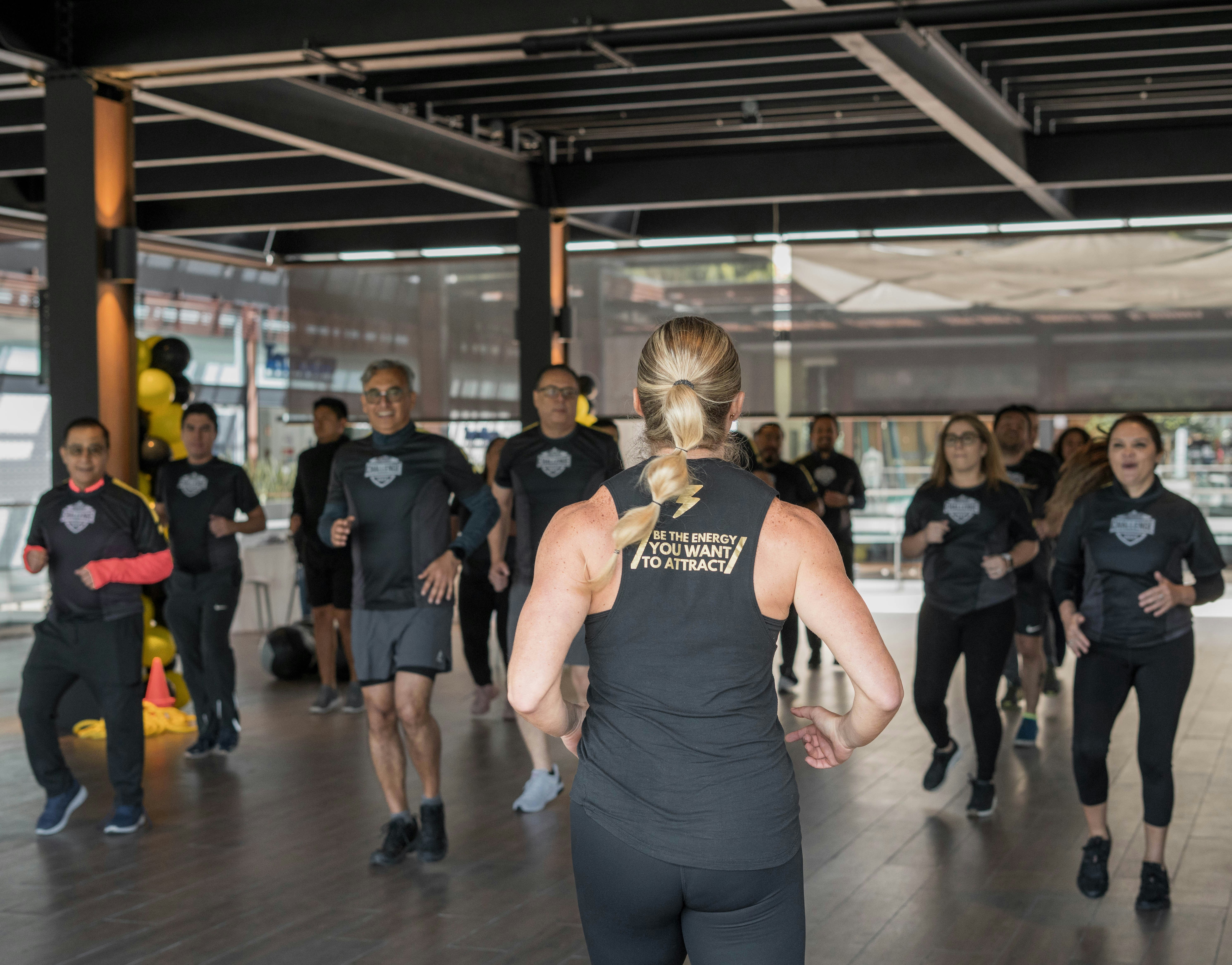
Beyond traditional remedies, Africa has seen an influx of modern fitness initiatives that are reshaping public perceptions of health. Platforms like Fitness Friday in Nairobi encourage community engagement through outdoor workouts. This initiative not only promotes physical well-being but also fosters social connections, showing that wellness can be a communal pursuit.
Furthermore, the rise of digital wellness brands, which offer online fitness classes tailored to African lifestyles, demonstrates the adaptability of wellness solutions in the digital age. These platforms implement localized content that resonates with the cultural context, making it easier for users to engage and succeed in their health journeys.
Overall, the innovative approaches taken by African wellness brands reflect a deep understanding of the continent’s unique cultures and health challenges. By blending traditional wisdom with contemporary practices, these brands are poised to build strong links within local communities, inspiring others around the world to adopt a more holistic view of health and wellness.
The Future of Wellness in Africa
The wellness industry in Africa is poised for significant growth as consumers increasingly prioritize holistic health and well-being. Current trends indicate a shift towards natural remedies, organic products, and sustainable practices that resonate with traditional African approaches to health. Additionally, as awareness of mental health issues rises, there is an expanding focus on psychological wellness, which complements physical health. This broadening perspective presents numerous opportunities for wellness brands to innovate and cater to market demand.
Technology plays a pivotal role in shaping the future landscape of wellness in Africa. The proliferation of smartphones and internet access has enabled more extensive outreach for wellness brands. Digital platforms provide an avenue for educational content, health apps, and online wellness communities that encourage a proactive approach to health. Brands that recognize and leverage the power of technology could establish a significant competitive advantage by connecting with consumers through engaging and informative channels.
Community engagement is another essential aspect of advancing wellness in Africa. Brands that collaborate with local communities, healthcare providers, and wellness advocates can foster a sense of trust and authenticity. Local partnerships and grassroots movements not only ensure that products cater to community needs but also enhance the credibility of wellness initiatives. By actively involving communities in the development and promotion of wellness solutions, brands can create a more sustainable ecosystem that champions healthful living.
The insights from industry experts suggest that the future of wellness in Africa will be marked by integration—bridging traditional practices with modern advancements. As we look ahead, the combination of technological innovation, community involvement, and a focus on holistic health will undoubtedly create a vibrant and transformative wellness landscape across the continent.