Home Workouts for Small Spaces
Home workouts have gained prominence, especially in urban areas where the availability of personal space is limited. Consequently, individuals are increasingly seeking practical and effective workout routines that can be performed in these confined settings. Fortunately, a variety of exercises can be done without any specialized equipment, making it easy to achieve fitness goals in small living spaces.
Bodyweight exercises are particularly beneficial and can target different muscle groups efficiently. For instance, push-ups, squats, lunges, and planks are excellent for building strength and endurance. Additionally, performing dynamic movements such as jumping jacks or high knees can elevate cardiovascular fitness. It is essential to focus on maintaining proper form and technique to prevent injuries, especially in tight spaces.
To maximize limited room, consider arranging your living area to create a designated workout zone. Clear any clutter and ensure you have a non-slip surface to exercise on. Utilizing soft mats or towels can also provide comfort during floor exercises. Additionally, it is advisable to invest in compact fitness accessories such as resistance bands or small dumbbells if space permits, enhancing the variety and intensity of your workouts.
Maintaining motivation in home workouts can sometimes be challenging. Short video tutorials or step-by-step guides can provide you with the necessary guidance to perform exercises correctly while keeping the workout engaging. Platforms such as Instagram and YouTube host numerous influencers dedicated to sharing quick, effective routines tailored for smaller spaces. Following them can give you inspiration and foster a sense of community, even when exercising alone.
In conclusion, optimizing your home workout routine for small spaces involves utilizing bodyweight exercises, arranging your environment for maximum efficiency, and drawing inspiration from online fitness resources. These strategies can help turn even the most cramped apartments into effective workout havens.
Benefits of Home Workouts in Urban Living
Home workouts offer numerous advantages, particularly in urban and township environments where space and time may present challenges to fitness enthusiasts. One of the most significant benefits is the time-saving aspect. By eliminating the commute to a gym, individuals can invest those saved minutes into their workout routines, leading to more consistent exercise habits. This convenience makes it easier to incorporate fitness into daily life, especially for those juggling work, family, and social responsibilities.
Moreover, the cost-effectiveness of home workouts cannot be overlooked. With gym memberships often requiring monthly fees, many individuals find it financially burdensome, especially in urban settings where the cost of living can be high. Home workouts allow individuals to utilize bodyweight exercises, simple equipment, or readily available resources without the ongoing expense of a gym. This affordability aligns fitness with personal budgeting, thereby encouraging more people to commit to their wellness goals.
Additionally, the customization of workouts to individual lifestyles and preferences is another key benefit. Individuals can design their routines based on available space, desired intensity, and specific fitness goals. This personalization fosters a greater sense of ownership over one’s fitness journey, which is vital for maintaining motivation. In urban environments, where community is sometimes lacking, home workouts can also promote engagement through virtual classes or group challenges among neighbors, friends, or family members. Such efforts encourage shared accountability and foster a supportive environment, aiding individuals in pursuing their health objectives.
In summary, home workouts are an ideal solution for those living in urban settings, offering time and cost efficiencies while promoting personalized fitness routines and community engagement. The trend towards exercising at home reflects a growing recognition of its benefits as a viable option for maintaining physical health and well-being.
Fitness Trackers: Should You Invest in One in Africa?
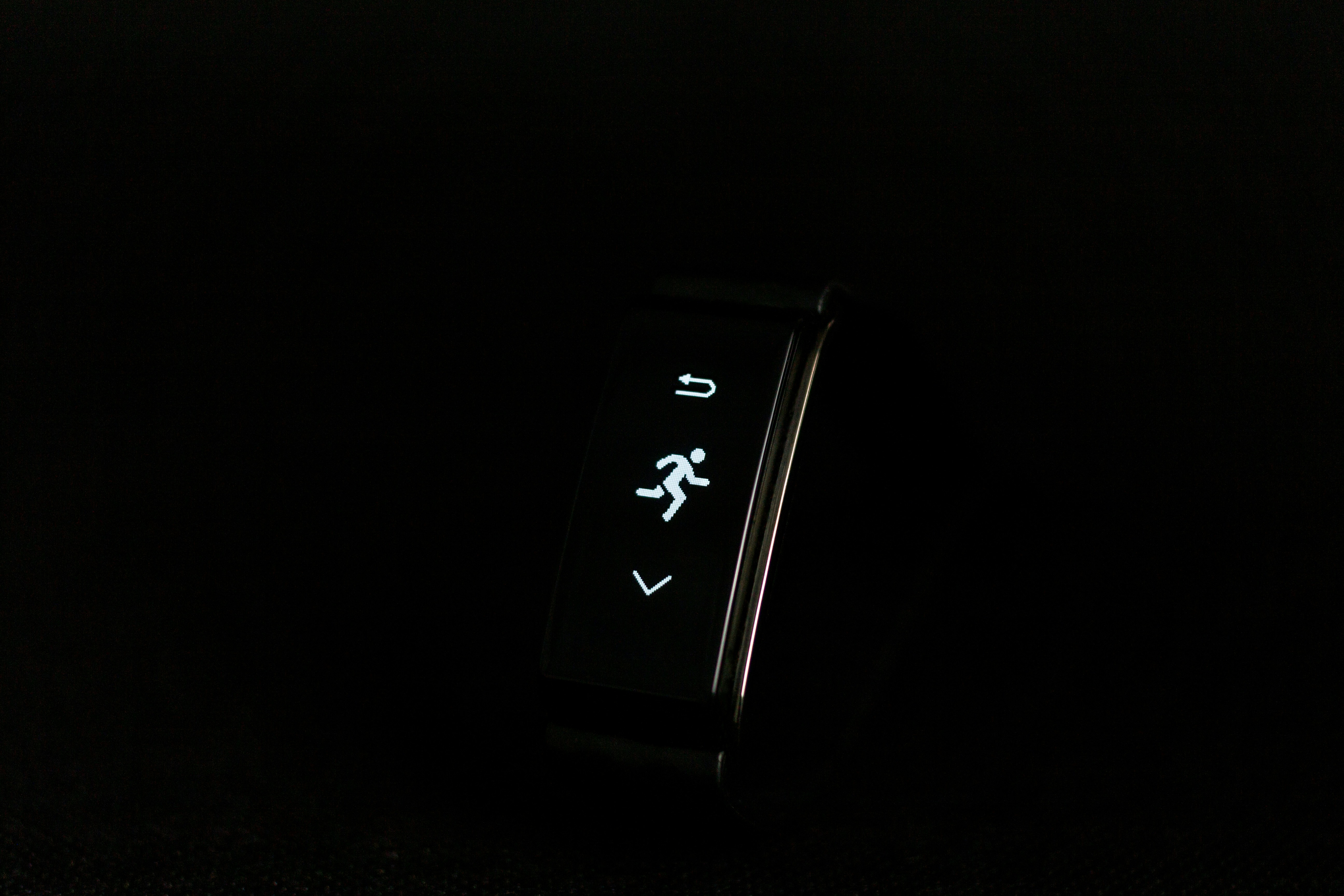
In recent years, fitness trackers have gained significant popularity across the globe, especially among health-conscious consumers. In Africa, the adoption of these devices presents unique opportunities and challenges. Popular models like the Apple Watch Series and Fitbit Charge have become prominent in the market, offering diverse functionalities. However, potential buyers in Africa must carefully consider their investment.
One of the main factors influencing purchase decisions is affordability. The premium price of fitness trackers like the Apple Watch may deter many African consumers. In contrast, more budget-friendly options, such as those from Fitbit, may attract buyers looking for functionality without incurring substantial costs. It is crucial to evaluate the financial implications and determine what features are necessary for achieving personal fitness goals.
Another essential aspect to consider is battery life. Generally, fitness trackers are designed to provide long usage periods between charges, but this varies by model. In regions of Africa where electricity may not be consistently available, a device with extended battery life could be more advantageous for users, enabling continuous tracking of health metrics without frequent recharging.
Functionality remains a critical consideration as well. Many fitness trackers offer comprehensive features, including heart rate monitoring, sleep tracking, and GPS capabilities. However, the relevance of these features differs based on individual lifestyle and fitness goals. Potential users should assess their needs to ensure the tracker they select aligns with their objectives.
Finally, accessibility can pose challenges in Africa. While distributors and online platforms are increasingly available, some areas still experience limited access to technology. Buyers need to consider where to obtain the fitness tracker and whether warranties and customer support are easily accessible.
In conclusion, the decision to invest in a fitness tracker in Africa requires careful consideration of affordability, battery life, functionality, and accessibility. Each reader should weigh these factors in the context of their fitness journey to determine if a fitness tracker will be a beneficial addition to their routine.
Practical Considerations for Using Fitness Trackers
Fitness trackers have become essential tools for those pursuing health and wellness goals, especially in small living spaces where outdoor activities may be limited. To effectively integrate these devices into daily life, it is crucial to understand a few practical considerations. First, syncing your fitness tracker with a mobile device should be seamless. Most modern trackers allow users to connect via Bluetooth to health applications, ensuring that data such as step count, heart rate, and calories burned are easily accessible. Regularly checking these statistics can motivate users to maintain or adjust their fitness routines accordingly.
Setting realistic fitness goals is another critical factor for success in utilizing fitness trackers. Instead of pursuing lofty aspirations that may lead to frustration, individuals should create attainable milestones. For instance, starting with a goal of walking 5,000 steps daily can be rewarding and help users track their progress over time. As achievements are met, users can gradually increase their targets to promote sustained engagement and improvement in fitness levels.
Furthermore, interpreting the data collected by fitness trackers is key to maximizing their benefits. Users should familiarize themselves with the metrics provided, such as sleep quality and physical activity levels, and apply this information to refine their health strategies. It is also important to recognize that challenges exist, particularly in Africa, where connectivity issues may hinder the performance of fitness devices. In such situations, it’s advisable to download data directly onto the device for later syncing when connectivity returns.
Lastly, potential users should consider the accessibility of customer support and maintenance services for their fitness trackers. Investing in brands that offer robust local support and clear warranty options can enhance long-term satisfaction. By addressing these practical considerations, individuals can fully leverage their fitness trackers to enhance wellness, even in small living environments.