The Beauty of African Ingredients in Skincare
African ingredients have long been celebrated for their remarkable benefits in skincare. The continent’s diverse flora and abundant natural resources have gifted us with a variety of potent ingredients that not only enhance beauty but also promote skin health. Among these, shea butter and black soap have gained significant recognition.
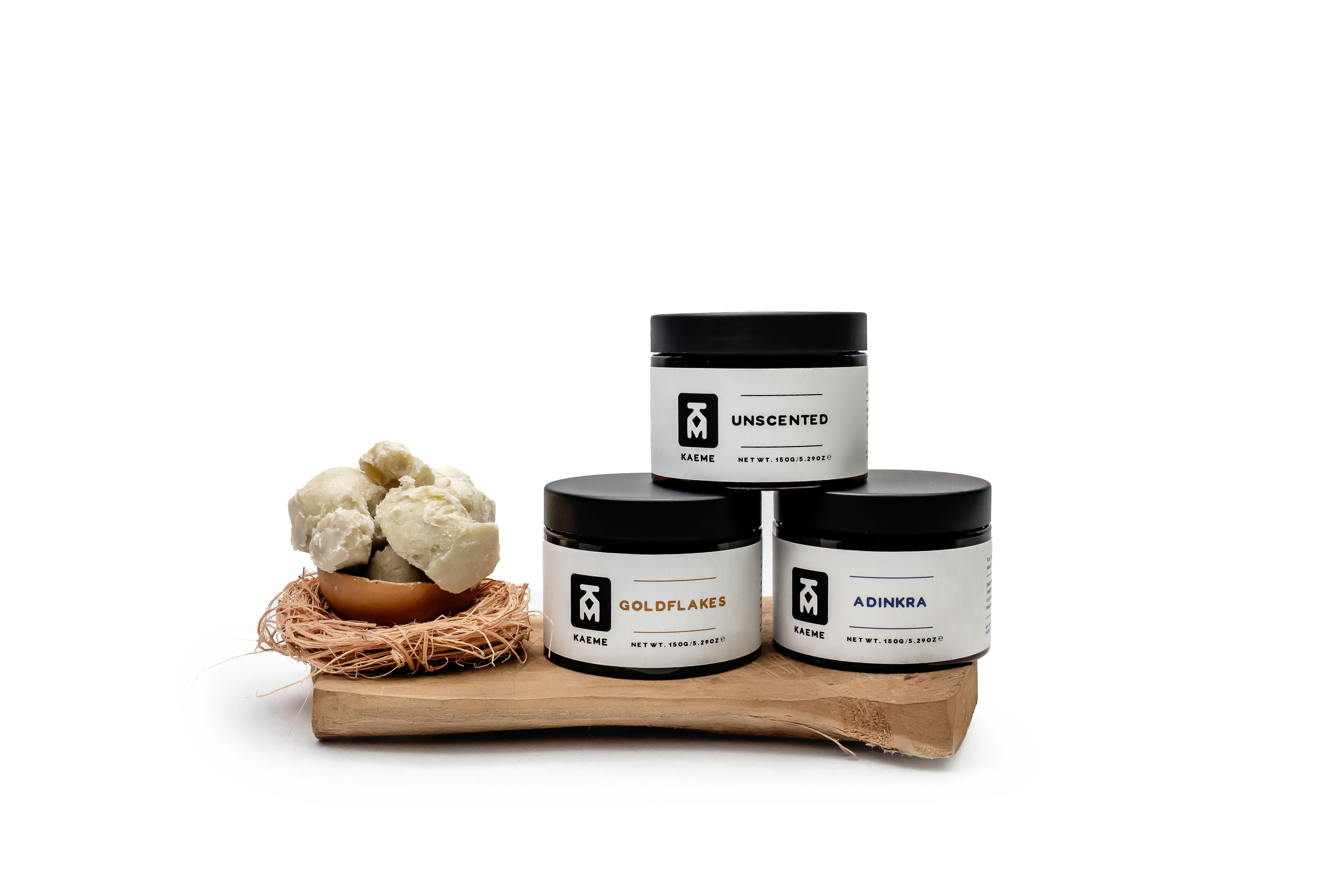
Sourced from the nuts of the shea tree, shea butter is cherished for its deeply moisturizing properties. Traditionally, women in West Africa have utilized shea butter for centuries, applying it to hydrate their skin and protect it from the harsh sun. Packed with vitamins A and E, it provides nourishment and healing, making it effective in treating dry skin and conditions such as eczema. The rich, creamy texture of shea butter allows it to be easily absorbed into the skin, offering long-lasting hydration.
Similarly, black soap is an iconic African skincare product that has roots in West African traditions. Made from the ashes of locally sourced plants and barks, alongside shea butter and oils, this soap is renowned for its gentle cleansing properties. It is effective in clearing blemishes, dark spots, and acne, creating a smoother complexion. The natural ingredients in black soap are packed with antioxidants and anti-inflammatory properties, making it ideal for all skin types.
These ingredients, along with others such as marula oil and moringa extract, have played a prominent role in African beauty rituals. Traditionally, they were passed down through generations and are now experiencing a renaissance in global skincare markets. As consumers increasingly seek natural and sustainable solutions, the demand for African-sourced ingredients is on the rise, showcasing both their efficacy and cultural significance in modern skincare.
The Benefits of Shea Butter in Your Skincare Routine
Shea butter, derived from the nuts of the African shea tree, is renowned for its numerous benefits in skincare. Its primary advantage lies in its exceptional moisturizing properties. Packed with fatty acids and vitamins A and E, shea butter provides deep hydration, making it ideal for dry or dehydrated skin. By forming a protective barrier on the skin, it locks in moisture and prevents water loss, thereby enhancing skin elasticity and softness.
Moreover, the anti-inflammatory effects of shea butter make it suitable for various skin conditions. It can be particularly beneficial for individuals with eczema or psoriasis, as it helps reduce redness and irritation. The presence of natural compounds, such as cinnamic acid, contributes to its ability to soothe inflammation and promote healing for minor cuts or blemishes.
Incorporating shea butter into your daily skincare routine can be achieved through various methods. Commercially available creams and lotions, enriched with shea butter, offer convenience for quick application. For a more personalized approach, DIY masks can be made by mixing shea butter with natural ingredients like honey or essential oils, tailoring the treatment to your skin’s needs. This versatility allows individuals with different skin types—whether oily, combination, or sensitive—to enjoy the benefits of shea butter.
When selecting high-quality shea butter, look for products that are labeled as unrefined and organic. Genuine shea butter should have a creamy texture and a characteristic nutty scent. Avoid products that contain fillers or artificial additives, as these can diminish the quality and effectiveness of shea butter. Supporting reputable brands or local artisans who focus on sourcing shea sustainably is also a commendable practice.
Harnessing the Power of Black Soap
Black soap, often revered in the realm of natural skincare, offers multiple distinct advantages beneficial for the skin. One of its primary benefits is its detoxifying properties, which help in eliminating impurities that accumulate in the skin over time. This traditional African soap works exceptionally well in combating acne, thanks to its rich composition that includes natural ingredients such as shea butter, cocoa pod ash, and plantain skins. These components contribute to its ability to gently exfoliate the skin while maintaining hydration, aiding those struggling with breakouts.
Moreover, black soap has been known to improve overall skin tone, addressing issues related to hyperpigmentation and uneven complexions. The soap derives its dark color from the ashes of burnt plant matter, which contain antioxidants that nourish the skin. Historically, black soap has been used for centuries in various African cultures, often manufactured in small batches to ensure quality. Each locality may produce slightly different formulations, incorporating unique local ingredients and methods, which adds to the soap’s diversity and appeal.
Personal testimonials abound regarding the effectiveness of black soap. Many users report clearer skin, reduced breakouts, and a more luminous complexion after incorporating black soap into their routines. Skincare experts also endorse it; dermatologists underscore its gentle nature, noting that it is suitable for various skin types. For those interested in integrating black soap into their existing skincare regimen, it is recommended to start with cleansing the face daily, followed by conditioning with a moisturizer to maintain the skin’s natural moisture balance. With its rich history and beneficial properties, black soap stands out as a powerful ally in the pursuit of healthier skin.
Integrating African Ingredients into Your Self-Care Rituals
Self-care has emerged as a vital component of overall wellness, encompassing both mental and emotional health. One effective way to enhance your self-care routines is through the integration of African ingredients known for their nourishing properties. These natural components not only elevate your skincare regime but also contribute to a holistic approach to beauty that encompasses mind, body, and spirit.
To create meaningful self-care rituals using African ingredients, you might consider incorporating staples such as shea butter, marula oil, and baobab powder. Each of these ingredients provides unique benefits that can enhance your skin’s health while promoting relaxation and mindfulness. For example, shea butter is renowned for its deep moisturizing properties, making it an excellent choice for a nourishing body cream. Simply melt a small amount of shea butter in your hands and massage it into your skin to experience its soothing effects.
Additionally, you can easily craft DIY skincare products utilizing African ingredients. A simple face mask can be created using equal parts of baobab powder and honey mixed with a few drops of marula oil. This blend not only revitalizes the skin but also offers a luxurious self-care experience that encourages you to pause and reflect during your routine. Incorporating such practices into your daily life allows for a connection with the rich heritage of African skincare traditions, promoting a sense of well-being.
The mental and emotional benefits of utilizing natural products extend beyond mere physical improvements. As you engage in these rituals, you foster a nurturing environment that encourages mindfulness and self-reflection. The scents and textures of African ingredients can evoke a sense of nostalgia or tranquility, aiding in relaxation and stress relief. Therefore, integrating African ingredients into your self-care rituals is not only about skincare; it is about nurturing your overall well-being and embracing a more holistic lifestyle.