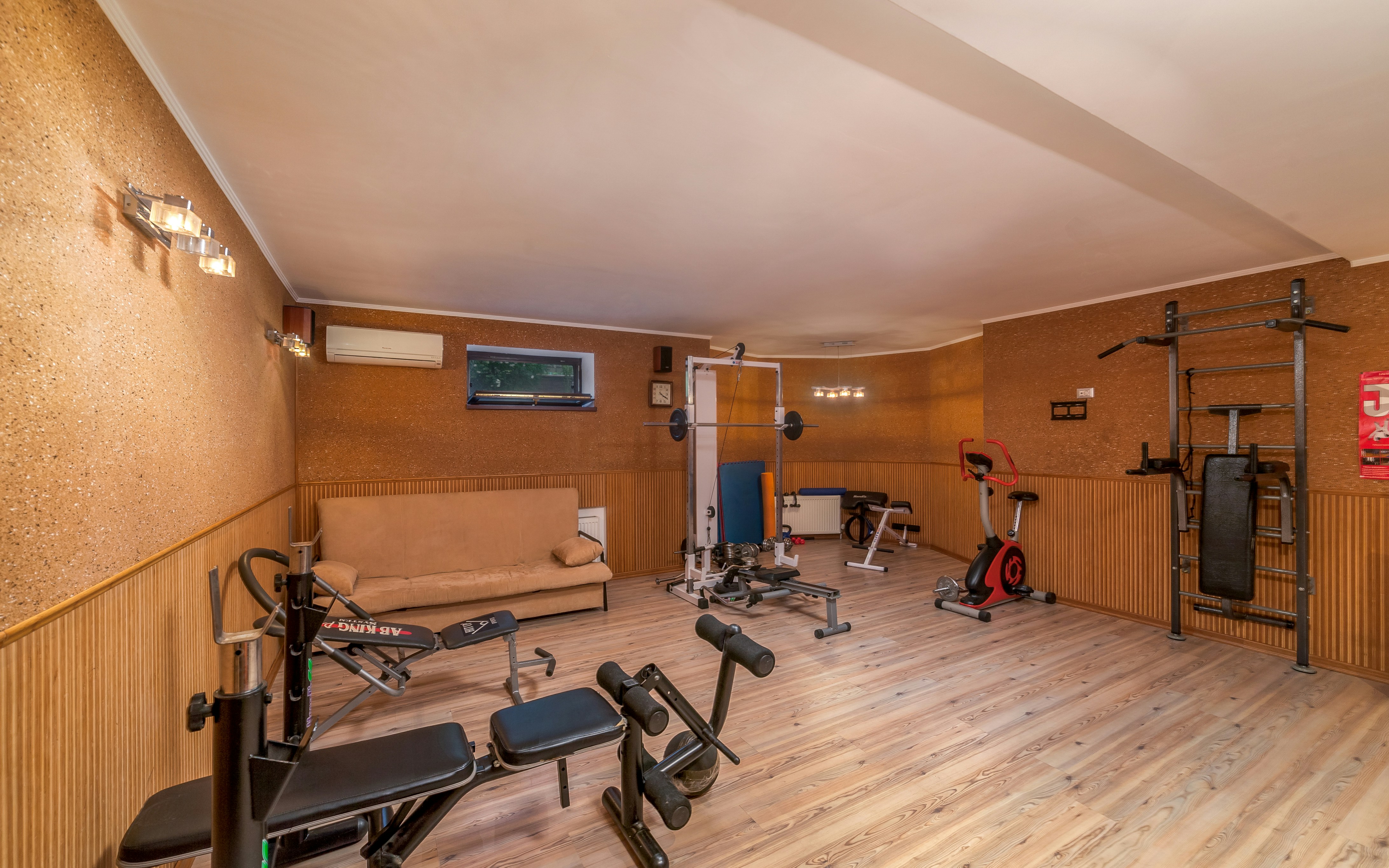
Understanding the Benefits of Home Workouts in Small Spaces
Home workouts offer numerous advantages, particularly for individuals residing in small urban or township spaces. One of the primary benefits is the significant time and monetary savings they provide. By exercising at home, individuals can eliminate commuting time to a gym or fitness center, thus granting them additional hours for other activities. Furthermore, home workouts do not require expensive gym memberships or elaborate equipment investments, making them a cost-effective solution for maintaining fitness.
Moreover, the flexibility of home workouts facilitates a more personalized exercise schedule, allowing individuals to work out at their convenience, whether early in the morning or late at night. This flexibility often leads to increased adherence to a workout routine, as individuals can easily integrate exercise into their daily lives without the constraints of gym operating hours. Alternatively, if space becomes limited, workouts can be adjusted or modified to fit the environment, with many exercises requiring only bodyweight.
In addition to the practical benefits, home workouts also contribute positively to mental and physical well-being. Regular physical activity has been shown to reduce stress levels, boost mood, and enhance overall mental health, especially in confined living situations where access to outdoor activities may be limited. Engaging in exercises that promote movement not only supports physical health by improving cardiovascular fitness and strength but also fosters a sense of accomplishment, which can be particularly uplifting when working from the comfort of one’s home.
Overall, embracing home workouts can have a profound impact on the lifestyle and well-being of those living in compact spaces. They provide an effective means of maintaining one’s health, saved time and financial resources, and foster a flexible routine that adapts to the challenges of smaller living quarters.
Essential Home Workouts: No Equipment Necessary
Incorporating body-weight exercises into your routine is an excellent way to achieve a full-body workout without the need for any equipment, especially in small living spaces. Below is a curated list of effective movements designed to target multiple muscle groups.
1. Push-ups: A classic body-weight exercise that primarily works the chest, shoulders, and triceps. For those struggling with traditional push-ups, modifications such as knee push-ups can be employed. To maintain proper form, ensure your body forms a straight line from head to heels, and avoid sagging hips.
2. Squats: This lower-body workout targets the quadriceps, hamstrings, and glutes. Stand with your feet shoulder-width apart, engage your core, and lower your body as if sitting in a chair, keeping your knees behind your toes. Variations like wall squats can be performed for a steadier option.
3. Plank: A fundamental exercise that strengthens the core, shoulders, and back. Keep your elbows under your shoulders and maintain a straight body line. Beginners can start with a modified plank, resting on their knees.
4. Lunges: This dynamic movement engages the legs and glutes while enhancing balance. Step forward with one leg and lower your body until both knees are at 90-degree angles. For added versatility, reverse lunges can be performed to reduce impact on the knee joints.
5. Glute Bridges: Perfect for strengthening the glutes and lower back. Lie on your back with your knees bent and feet flat on the floor. Elevate your hips towards the ceiling while squeezing your glutes at the top, then return to the starting position.
Proper form is crucial in each exercise to minimize the risk of injuries and maximize effectiveness. Listening to your body and adjusting the intensity based on your fitness level is key. By incorporating a selection of these body-weight exercises, individuals can maintain an effective workout regimen even in the confines of small living spaces.
Creating a Small Space Workout Routine
Establishing an effective workout routine in a small space is both practical and achievable. The key is to maximize the use of limited space with a combination of exercises that cater to different fitness aspects, including strength, cardio, and flexibility. Here, we outline steps to formulate a well-rounded program that suits your personal lifestyle and space constraints.
First, consider the duration and frequency of your workouts. For a balanced routine, aim for at least 150 minutes of moderate aerobic exercise per week, combined with muscle-strengthening activities on two or more days. This can be broken down into shorter sessions; for instance, 30-minute workouts five times a week are manageable in a small living area. If you prefer even shorter bursts, 10- to 15-minute sessions that include high-intensity intervals can be very effective.
Next, when planning your small space workouts, vary the types of exercises. Incorporate strength training using bodyweight exercises such as squats, push-ups, and planks, which require no equipment. Additionally, include cardio workouts like jumping jacks, high knees, or even dancing, which can elevate your heart rate while keeping your space requirements minimal. Don’t overlook stretching and flexibility exercises, which help improve range of motion and prevent injuries.
To keep your workouts engaging, consider mixing different types of exercises within the same session. For example, you could alternate between strength exercises and cardio drills. A sample weekly workout schedule might look like this:
- Monday: Full-body strength (bodyweight exercises)
- Tuesday: Cardio intervals (jumping jacks and high knees)
- Wednesday: Core workout (planks and leg raises)
- Thursday: Flexibility and stretching
- Friday: Cardio and full-body strength circuit
- Saturday: Rest or light yoga
- Sunday: Active recovery (walking or leisure activities)
By structuring your routine in this way, you will be able to effectively manage your workouts while making the most of your small environment.
Incorporating Short Reels and Step-by-Step Guides
Incorporating visual aids such as short video reels and step-by-step guides can significantly enhance the effectiveness of home workouts, especially in confined spaces. These resources serve to demonstrate proper form and technique, which are crucial for preventing injuries and maximizing workout efficiency. Platforms like Instagram, TikTok, and YouTube have become invaluable sources for finding high-quality workout videos that cater specifically to small spaces and require no equipment. By utilizing hashtags such as #HomeWorkout, #NoEquipmentWorkout, and #SmallSpaceFitness, individuals can quickly locate a variety of short reels that illustrate workouts tailored to different fitness levels.
Beyond merely consuming these visual content, individuals can also consider creating their own workout reels or photo guides. This process not only reinforces one’s understanding of the exercises but also contributes to building a personal brand in the fitness community. By capturing one’s own journey and sharing customized routines, individuals can inspire others while holding themselves accountable to their fitness goals. This active participation may foster a sense of belonging and motivate individuals to push through challenges.
Furthermore, engaging with a community through platforms that emphasize sharing fitness progress can be beneficial. Many social media groups and forums encourage members to post their accomplishments, challenges, and workout schedules. Engaging with like-minded individuals allows for the exchange of tips and experiences, creating a support network essential for sustaining motivation. Having friends or online acquaintances to share fitness journeys with can foster positive reinforcement, making workouts more enjoyable and less isolating. Thus, through the integration of visual aids and community interaction, anyone can effectively elevate their home workout experience in small spaces.