Why Home Workouts Are Ideal for Small Spaces
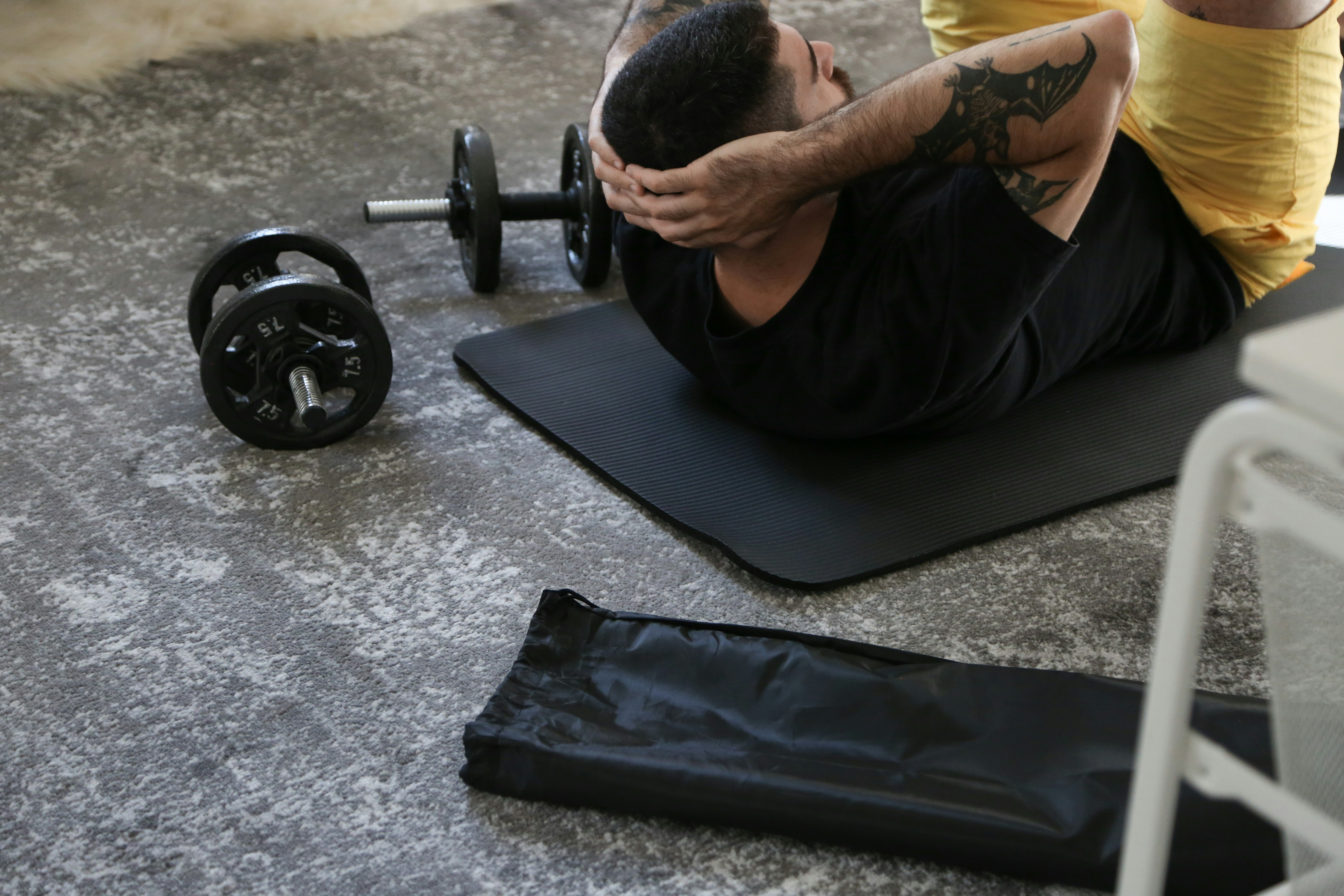
In an increasingly urbanized world, many individuals find themselves living in compact environments. As cities grow in population, the demand for efficient use of space becomes undeniable. Home workouts are specifically designed to address the challenges posed by small living areas. This style of exercise not only minimizes the need for extensive gym equipment but also ensures that workouts can be performed in limited space, making them well-suited for apartment dwellers.
One of the significant advantages of home workouts is the time efficiency they offer. Without the need to commute to a gym, individuals can easily incorporate exercise into their daily routines. This eliminated travel time allows for more flexibility, enabling people to choose when they want to work out, whether it’s early in the morning or late at night. This adaptability contributes to better consistency, which is crucial for achieving fitness goals.
Moreover, home workouts can be tailored to fit a variety of personal preferences and schedules. This level of customization is often more challenging when adhering to a strict gym timetable. By utilizing online resources, exercise apps, and virtual classes, individuals can explore diverse workout options, ranging from high-intensity interval training to yoga, without having to step outside their homes. The variety and accessibility of these routines cater to different fitness levels and interests, promoting a more engaging workout experience.
Another important aspect of home workouts is their potential to reduce anxiety related to crowded gym settings. Many individuals feel intimidated in large groups, particularly in small environments. Exercising in one’s own space fosters a sense of comfort and privacy, encouraging individuals to focus on their fitness journeys without unnecessary distractions. This contributes to a more enjoyable, sustainable fitness experience, essential in urban living.
Essential Bodyweight Exercises for Small Spaces
Living in a small space should not hinder your fitness routine. Bodyweight exercises are ideal for compact environments, and the following list includes effective movements that require no equipment. Each exercise can be configured to various fitness levels, allowing beginners and advanced practitioners to benefit equally.
1. Push-Ups: This classic exercise engages multiple muscle groups, primarily the chest, shoulders, and triceps. To perform a standard push-up, position your hands shoulder-width apart on the floor, extend your legs behind you while balancing on your toes, and lower your body until your chest nearly touches the ground. Beginners can perform push-ups on their knees or against a wall. Ensure your body forms a straight line from head to heels to maintain proper form and avoid injury.
2. Squats: Squats target the quads, hamstrings, and glutes. Stand with your feet shoulder-width apart and lower your body as if sitting back into a chair, keeping your chest up and knees aligned with your toes. To modify for beginners, perform squats onto a stable chair, or use a wall for support. Proper alignment is essential to prevent undue stress on the knees.
3. Planks: A core-strengthening exercise, the plank is performed by lying face down and balancing on your forearms and toes. Keep your body rigid and straight for as long as possible, focusing on tightening your core muscles. For beginners, start on your knees or with your hands elevated on a stable surface. Maintaining a neutral spine is crucial to avoid back strain.
4. Lunges: Lunges work the legs and glutes while improving balance. Step forward with one leg and lower your hips until both knees are bent at about a 90-degree angle. Alternate your legs for a complete set. For those needing modifications, stationary lunges or step-back lunges can be effective alternatives. Proper knee alignment with the ankle is key to injury prevention.
These exercises can be completed with small modifications to adjust difficulty levels according to individual fitness goals. Incorporating these movements can provide a comprehensive workout suitable for anyone utilizing small living areas, promoting both strength and fitness without the need for additional equipment.
Creating a Small Space Workout Routine
Designing an effective workout routine in a small living area requires strategic planning that accounts for limited space while maximizing the benefits of various exercises. To begin, consider the selection of workouts that engage multiple muscle groups simultaneously. Compound exercises, such as squats, lunges, and push-ups, are excellent choices as they build strength and endurance effectively without the need for extensive equipment. Additionally, incorporating bodyweight exercises enables versatility and minimizes the need for bulky items.
Cardiovascular training is equally crucial for a balanced small space workout. High-intensity interval training (HIIT) can be particularly beneficial, as it allows for effective cardio within short bursts. Movements like jumping jacks, burpees, and mountain climbers can elevate heart rates and fit comfortably in limited space. Aim to incorporate both strength and cardio segments into each routine to cultivate overall fitness.
For those with demanding schedules, an organized weekly workout schedule can provide structure and enhance time efficiency. A sample schedule may look like this:
- Monday: Full Body Strength – 30 minutes
- Tuesday: HIIT Cardio – 20 minutes
- Wednesday: Rest or Light Stretching
- Thursday: Core and Balance – 25 minutes
- Friday: Lower Body Strength – 30 minutes
- Saturday: Active Recovery – 20 minutes walk or yoga
- Sunday: Rest
Each workout session should incorporate short rest periods of 30 to 60 seconds between sets, facilitating recovery while maintaining intensity. With the combination of mindful exercise selection and an organized schedule, individuals can optimize their fitness routines even in compact living environments. By following these strategies, anyone can create an efficient and effective workout routine tailored to their urban lifestyle.
Maximizing Your Small Workout Space
When it comes to engaging in home workouts, limited space can pose a challenge. However, by taking practical steps, you can effectively utilize your small workout area to create an efficient environment conducive to exercise. One of the first steps is to clear clutter. Reducing distractions and unnecessary items in your space not only makes your area feel larger but also allows for a clearer mental focus during workouts. Consider setting aside a specific time to declutter your workout space regularly, ensuring that it remains an inspiring place to engage in physical activity.
Additionally, you can use furniture as innovative workout aids. The functionality of a small apartment can be transformed by utilizing items like a sturdy chair for tricep dips or a couch for step-ups. By integrating these pieces of furniture into your routine, you can effectively perform a variety of exercises without needing additional equipment. This approach promotes versatility, enhances your workout options, and allows for a creative approach to exercising in confined spaces.
Incorporating short workout reels or video tutorials can also be beneficial. The internet is rich with resources featuring quick and effective routines that cater specifically to limited spaces. Engaging with these visual guides can provide inspiration and ensure that you stay on track with your fitness goals. They can also introduce you to innovative exercises designed for small areas, increasing the value of your workout time.
Maintaining motivation in a small space can be challenging. To foster a pleasant workout environment, consider adding personal touches such as motivational quotes on the wall or pleasant scents with candles or essential oils. These elements can create an inviting atmosphere that promotes consistency in your routines. Remember, a dedicated, well-organized, and motivational workout area is a significant factor in facilitating an enjoyable exercise experience and achieving your fitness objectives in an urban living setting.