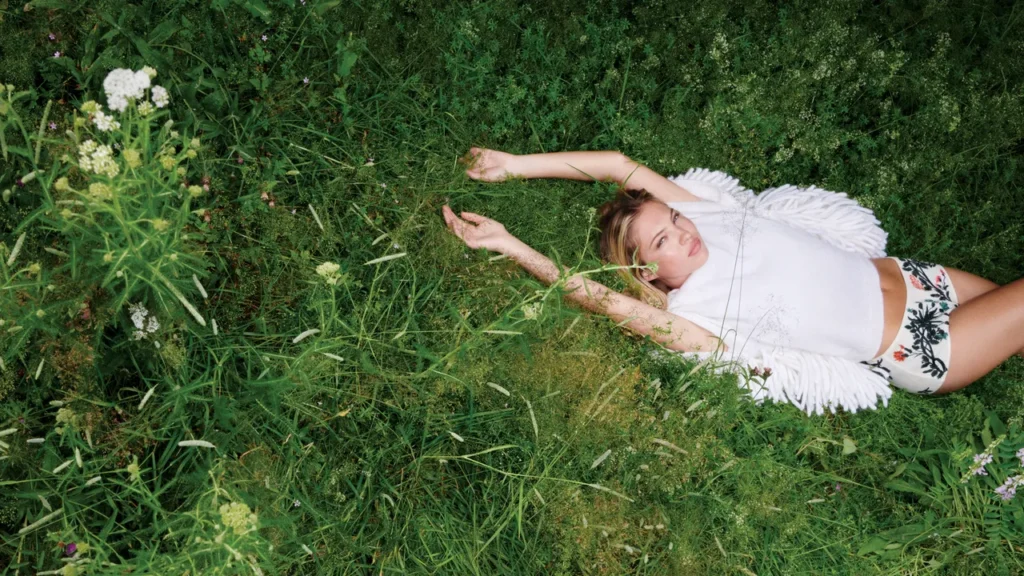
In a fast-paced world where wardrobe choices often feel disposable, sustainable fashion is emerging as a quiet revolution for mental wellness. Beyond reducing environmental impact, eco-conscious clothing brands prioritize natural fabrics and ethical production, fostering a deeper connection to self and planet. This article explores how slow fashion links to reduced stress, cultural mindfulness practices, and lasting well-being—proving that what you wear can heal your mind.
What Is Sustainable Fashion and Why It Matters for Mental Health
Sustainable fashion emphasizes longevity over trends, using organic cotton, hemp, linen, and recycled materials instead of synthetic fast-fashion fabrics like polyester. These natural fibers breathe better, regulate body temperature, and feel gentler on the skin—key factors in preventing irritation that subtly amps up daily stress.
Research from the Journal of Environmental Psychology (2023) shows that clothing made from ethical, traceable sources boosts “psychological ownership,” a sense of control that lowers anxiety. When you invest in pieces from brands like Patagonia or Eileen Fisher, you’re not just buying clothes; you’re adopting a mindful ritual that counters the overwhelm of consumerism. Slow fashion encourages curating a capsule wardrobe, reducing decision fatigue—a common mental health drain in our choice-saturated lives.
Natural Fabrics: The Science Behind Stress Reduction in Eco-Clothing
Synthetic fabrics trap heat and moisture, leading to discomfort that science links to elevated cortisol levels. Natural alternatives tell a different story. A 2024 study in Textile Research Journal found that wearing organic cotton reduced perceived stress by 22% compared to polyester, thanks to better moisture-wicking and hypoallergenic properties.
Brands like Thought Clothing (UK-based) and Pact champion GOTS-certified organic cotton, grown without harmful pesticides. These fabrics align with biophilic design principles—our innate affinity for nature—which Harvard research ties to lower blood pressure and improved mood. Slipping into a linen dress from Boden or hemp pants from Jungmaven isn’t just stylish; it’s a tactile reminder of earth’s rhythms, easing the mind amid urban chaos.
Ethical Production: Building Emotional Resilience Through Transparency
Fast fashion’s hidden costs—sweatshops, waste, and exploitation—fuel collective guilt and eco-anxiety, a term coined by the American Psychological Association. Sustainable brands flip this by prioritizing fair wages, safe working conditions, and circular economies.
Take Reformation, which uses low-water dyeing and shares its full supply chain online. Shoppers report a “dopamine hit” from knowing their purchase supports artisans, per a 2025 Nielsen sustainability survey. This transparency fosters empowerment, mirroring cognitive behavioral therapy techniques that reframe negative thoughts. Similarly, Everlane‘s “Radical Transparency” model lets you trace a sweater’s journey, turning shopping into an act of ethical alignment that bolsters self-esteem and reduces existential stress.
Slow Fashion and Cultural Mindfulness: Ancient Wisdom Meets Modern Style
Sustainable fashion revives cultural practices rooted in mindfulness. Indigenous textile traditions, like Japanese boro patching or Indian block-printing with natural dyes, emphasize repair over replacement—echoing Zen principles of impermanence.
Today’s brands weave this in: Kowtow sources fair-trade organic cotton from Peru, honoring Andean weaving heritage, while Mate the Label draws on Balinese mindfulness for seamless, versatile pieces. A 2024 mindfulness app study by Headspace revealed that participants wearing “intentional” slow-fashion items meditated 15% longer, attributing it to the fabrics’ calming textures and stories.
Practicing “wardrobe mindfulness”—like weekly gratitude rituals for favorite sustainable pieces—links directly to reduced depression symptoms, as outlined in Mindfulness journal research. It’s cultural wellness in fabric form.
Top Eco-Conscious Brands Championing Mental Wellness
| Brand | Key Features | Mental Wellness Perk | Price Range |
|---|---|---|---|
| Patagonia | Recycled polyester, organic cotton; repair programs | Empowers through activism, fights eco-anxiety | $50–$200 |
| Eileen Fisher | Linen, silk; take-back recycling | Timeless designs reduce overbuying stress | $100–$400 |
| Reformation | Low-impact dyes, sustainable viscose | Transparent sourcing builds trust and calm | $80–$300 |
| Pact | 100% organic cotton basics | Soft, everyday comfort for low-effort joy | $20–$60 |
| Outerknown | Hemp, recycled fishing nets; ocean focus | Adventure-ready pieces spark outdoor mindfulness | $100–$250 |
These brands prove sustainable fashion is accessible, blending ethics with style that nurtures the psyche.
Real-Life Impact: Stories of Stress Relief Through Sustainable Wardrobes
Meet Sarah, a Cape Town marketing exec who swapped Zara for Nisolo shoes and Kotn cotton tees. “The quality means less laundry and shopping guilt,” she shares. Her anxiety dropped noticeably, aligning with a UK study where slow-fashion adopters reported 30% less compulsive buying.
In wellness communities, “fashion fasting” challenges—pausing purchases for mindful curation—mirror intermittent fasting for the closet, yielding similar mental clarity.
How to Start Your Sustainable Fashion Journey for Better Mental Health
- Audit Your Wardrobe: Donate or upcycle 30% of unworn items to declutter mentally.
- Choose Natural Fibers: Prioritize cotton, wool, or Tencel for daily wear.
- Invest in Versatility: Build 10–15 timeless pieces over trends.
- Support Ethical Brands: Use apps like Good On You for ratings.
- Practice Mindful Dressing: Pair outfits with a 1-minute breathwork ritual.
Track progress with a journal—many notice mood lifts within weeks.
The Bigger Picture: A Mindful Future in Sustainable Fashion
Sustainable fashion isn’t a trend; it’s a mental health movement. By choosing eco-clothing that honors natural fabrics, ethical production, and cultural mindfulness, we reduce stress at its roots—personal, planetary, and profound. As climate anxiety rises, this shift offers empowerment: your style can soothe your soul.
Ready to refresh your closet mindfully? Start small, feel the difference, and join the slow fashion wave for lasting wellness.
Sources: Journal of Environmental Psychology (2023), Textile Research Journal (2024), Nielsen Sustainability Report (2025), American Psychological Association..