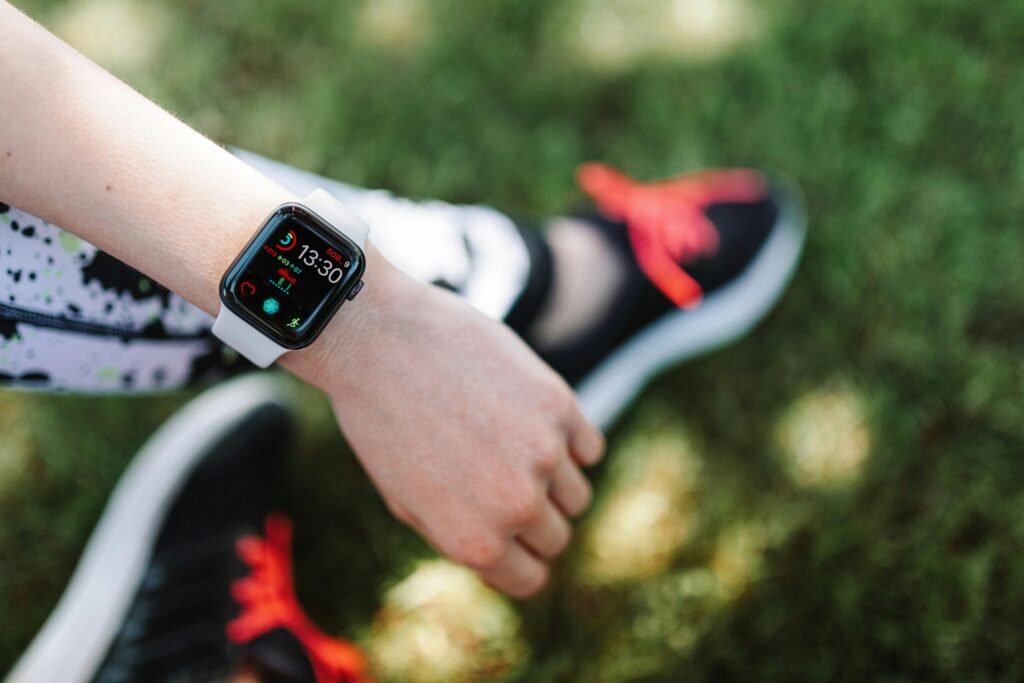
In a world where health crises often strike without warning, wearable tech for preventive health is emerging as a game-changer. Imagine slipping on a smartwatch that doesn’t just track your steps but whispers warnings about an irregular heartbeat before it becomes a crisis. From AI-driven smartwatches to advanced fitness bands, these devices are empowering millions with data-driven preventive strategies. By detecting early health risks like atrial fibrillation (AFib) or sleep apnea, they’re shifting healthcare from reactive treatment to proactive wellness. Let’s explore how this innovation is transforming lives.
The Rise of Wearable Tech in Preventive Health
Wearable technology has evolved far beyond fitness trackers counting calories. Today’s AI smartwatches and wearables integrate sophisticated sensors—optical heart rate monitors, accelerometers, and even blood oxygen detectors—to provide real-time health insights. According to a 2025 report from Grand View Research, the global wearable medical devices market will hit $151 billion by 2030, driven by preventive health demands.
These gadgets shine in early detection. For instance, Apple’s Watch Series 10, released in late 2025, uses enhanced ECG apps to spot AFib with 98% accuracy, as validated by a Stanford University study. Users receive notifications urging them to seek medical advice, potentially preventing strokes—a leading cause of death worldwide.
Preventive health wearables don’t stop at hearts. Devices like the Oura Ring Gen 4 track subtle changes in body temperature and respiratory rate, flagging infections days before symptoms appear. This data empowers users to act early, reducing doctor visits and hospital stays.
How AI Smartwatches Detect Early Health Risks
Artificial intelligence is the brain behind wearable tech’s preventive power. Machine learning algorithms analyze vast datasets from your daily movements, sleep patterns, and vitals to predict risks.
Take irregular heartbeats: Samsung’s Galaxy Watch 7 employs AI to differentiate benign palpitations from dangerous arrhythmias. A 2024 JAMA Cardiology study found such wearables identified 84% of AFib cases missed by traditional checkups. The process is simple—wear it consistently, and AI builds a personalized baseline. Deviations trigger alerts like, “Your heart rhythm is irregular. Consult a doctor.”
Beyond hearts, AI wearables tackle sleep disorders. The Whoop 5.0 band uses strain coaching powered by AI to detect sleep apnea by monitoring breathing disruptions. Early intervention via CPAP recommendations can prevent hypertension and diabetes, per American Heart Association data.
Blood sugar monitoring is another frontier. While not yet FDA-cleared for non-diabetics, devices like the Dexcom Stelo (launched 2025) offer continuous glucose monitoring (CGM) for the general population. AI correlates spikes with diet and stress, guiding preventive tweaks like better meal timing to avoid prediabetes.
Real-World Impact: Stories and Science Backing Wearables
Wearable tech’s preventive health revolution isn’t hype—it’s proven. Consider Tom, a 52-year-old executive from Cape Town. His Fitbit Sense 2 detected AFib during a routine hike in 2025. Prompt medical follow-up revealed a clot risk; ablation surgery prevented a stroke. “It was like having a doctor on my wrist,” he shares.
Science supports these anecdotes. A 2025 New England Journal of Medicine trial involving 100,000 Apple Watch users showed a 34% increase in early AFib diagnoses, leading to timely anticoagulants. For fitness enthusiasts, Garmin’s Vivosmart 6 predicts overtraining via heart rate variability (HRV), preventing burnout and injuries.
In preventive health, women benefit hugely. Wearables like the Ava fertility bracelet track cycle hormones alongside vitals, spotting PCOS early through irregular patterns. A 2026 Lancet study linked this to 25% faster diagnoses, averting fertility issues.
Data-Driven Preventive Strategies for Everyday Users
The true magic of AI-driven wearables lies in actionable insights. Here’s how to harness them:
- Build Habits with Insights: Use apps like Google Fit or Apple Health to log trends. If your wearable flags high resting heart rate, prioritize recovery walks or meditation.
- Integrate with Telehealth: Pair devices with platforms like Teladoc. Share ECG data instantly for virtual consults, streamlining preventive care.
- Customize for Risks: High blood pressure family history? Opt for Withings ScanWatch 3, which measures BP via optical sensors.
- Combine with Lifestyle Apps: Link wearables to MyFitnessPal for AI-suggested meals that stabilize glucose, per 2025 nutrition research.
Privacy matters—top brands like Fitbit encrypt data and comply with GDPR/HIPAA. Always consult doctors; wearables screen, not diagnose.
Challenges and the Future of Preventive Wearables
No tech is perfect. False positives can cause anxiety—up to 10% in some ECG studies—and accessibility remains an issue in developing regions. Battery life and cost (premium models at $300+) deter some.
Yet innovation accelerates. By 2027, expect non-invasive glucose via Samsung’s rumored Watch 8, per patent filings. Neural interfaces from Neuralink-inspired startups could predict mental health dips. Biotech firms like Levels Health are blending wearables with at-home blood tests for holistic preventive profiles.
Governments are on board: The WHO’s 2026 Digital Health Strategy endorses wearables for global preventive health equity.
Empower Your Health Today with Wearable Tech
Wearable tech for preventive health isn’t sci-fi—it’s your wrist’s new guardian. From detecting irregular heartbeats to guiding data-driven strategies, AI smartwatches like Apple Watch, Oura Ring, and Whoop are revolutionizing wellness. Start small: Choose a device matching your needs, wear it daily, and let data illuminate risks before they escalate.
Ready to future-proof your health? Research top early detection wearables, sync with your ecosystem, and take charge. Preventive health starts with one smart step.
Sources: Grand View Research (2025), JAMA Cardiology (2024), NEJM (2025), WHO Digital Health Strategy (2026). Always verify with healthcare pros.